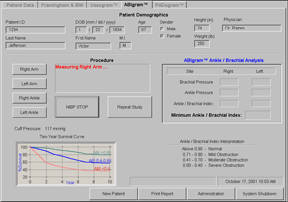
Since 1948, the Framingham Heart Study, the National Heart Institute and Boston University have been undertaking an ambitious project to determine common factors that contribute to cardiovascular disease by observing a large group of participants over a long period of time. The research started with 5,209 predominantly Caucasian populations of men and women between the ages of 30 and 62 from the town of Framingham, Massachusetts. The study has since included a second generation group of the original participants' adult children and their spouses. The Framingham Study has led to the discovery that age, gender, obesity, diabetes, genetic factors, smoking, high blood cholesterol, low HDL cholesterol levels, and high blood pressure are major risk factors for cardiovascular disease. This study has helped advance the concept of risk factors as an integral part of the modern medical curriculum and has led to the development of an effective treatment and preventive strategies in clinical practice. The Framingham and BMI procedure in the InterCare Vascular Diagnostic Center uses the over 50 years of research to give the clinician a risk analysis based on the patient’s risk factors.